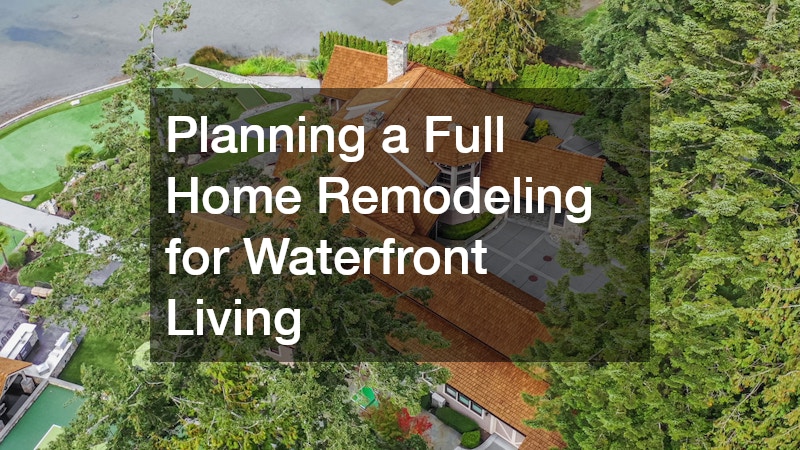
Planning a full renovation in a coastal environment requires a fundamentally different approach than remodeling an inland property. Environmental exposure, regulatory constraints, and logistical complexity all increase the stakes of design and construction decisions. Homeowners who underestimate these factors often encounter escalating costs, extended timelines, and premature material failure.
A successful waterfront renovation starts long before demolition begins. It requires evaluating environmental risks, sequencing work strategically, selecting materials proven to perform in harsh conditions, and coordinating specialized professionals. This guide walks through the process step by step, helping homeowners make informed decisions that protect both their investment and long-term comfort.
Assessing Location-Specific Risks Before Design Decisions
Every successful renovation begins with understanding the site itself. Coastal properties experience a unique combination of environmental forces that must be evaluated before design decisions are finalized.
A waterfront home is exposed to constant humidity, salt-laden air, strong winds, and potential flooding. These conditions accelerate deterioration and can expose weaknesses in foundations, framing, and exterior envelopes. Before planning layouts or selecting finishes, homeowners should invest in a comprehensive property assessment.
Key elements to evaluate include:
- Foundation type and elevation relative to flood zones
- Signs of erosion or soil instability near the shoreline
- Drainage performance during heavy rainfall
- Roof structure and resistance to wind uplift
- Existing corrosion on metal components
Homes located near the Florida beach often face additional regulatory considerations. Coastal zoning ordinances may restrict building height, expansion footprint, or proximity to dunes and waterlines. These constraints can significantly influence design feasibility and cost.
Engaging coastal engineers, geotechnical specialists, and experienced inspectors early allows homeowners to:
- Identify hidden vulnerabilities before construction.
- Avoid redesigns caused by regulatory conflicts.
- Align architectural plans with environmental realities.
This upfront diligence sets the foundation for every subsequent decision and reduces the risk of costly surprises mid-project.
Building a Realistic Budget and Renovation Timeline
Coastal renovations require conservative budgeting and flexible scheduling. Environmental exposure, permitting complexity, and specialized labor increase both costs and uncertainty.
A full home remodeling project should be broken into logical phases that prioritize structural integrity and weather resistance before cosmetic upgrades. Common phrases include:
- Structural reinforcement and elevation adjustments
- Exterior envelope improvements (roof, windows, siding)
- Mechanical, electrical, and plumbing upgrades
- Interior finishes and fixtures
Phasing provides flexibility if unexpected issues arise, allowing homeowners to pause or adjust later stages without compromising essential work.
Insurance considerations are also critical. Major renovations can temporarily alter risk profiles, affecting coverage terms. Homeowners should review their home insurance policies to confirm:
- Coverage during construction periods
- Liability protections for contractors and subcontractors
- Requirements for documenting upgrades or structural changes
Timelines must also account for coastal realities:
- Weather-related delays during storm seasons
- Longer permitting timelines for shoreline properties
- Lead times for specialty materials
Building contingency buffers into both the budget and schedule reduces stress and protects against rushed decisions that compromise quality.
Addressing Existing Moisture and Structural Concerns Early
Moisture-related issues should be addressed as a priority before any cosmetic or structural upgrades begin. In coastal environments, prolonged exposure to humidity and wind-driven rain makes hidden moisture especially common, and even minor intrusion can compromise framing, insulation, and interior finishes over time. Renovations that move forward without resolving these conditions often experience shortened lifespans and repeated failures.
Clear indicators that water damage restoration may be required include:
- Soft or discolored drywall that suggests prolonged moisture exposure
- Buckling or uneven flooring caused by swelling or subfloor damage
- Mold growth in hidden cavities is often discovered during demolition
- Elevated moisture readings in framing that indicate active or recurring intrusion
Restoration should always come before renovation work. This typically involves locating and correcting the moisture source, removing damaged materials, thoroughly drying structural components, and implementing measures that reduce the risk of recurrence. When restoration is coordinated with renovation planning, homeowners can upgrade wall assemblies for improved drying, enhance drainage and ventilation systems, and replace outdated materials with moisture-resistant alternatives. Addressing these issues early protects indoor air quality, preserves new finishes, and prevents costly repairs in the future.
Choosing Interior Materials Designed for Coastal Conditions
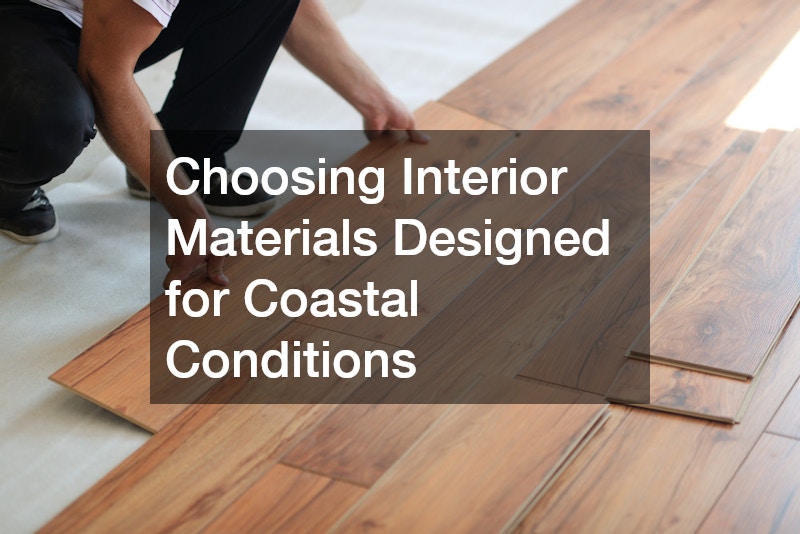
Interior materials in coastal homes must perform under constant environmental stress, making durability a primary concern rather than a secondary one. Persistent humidity and temperature fluctuations can cause swelling, warping, and deterioration in materials that are not specifically designed for these conditions, leading to frequent repairs or early replacement.
Flooring choices illustrate this challenge clearly. Luxury vinyl planks are commonly chosen for their durability in moist environments and their wide range of aesthetic options. Their resistance to water and surface wear makes them well-suited for areas where traditional materials often fail.
Beyond flooring, material selection should focus on features that support long-term performance:
- Resistance to moisture and mold helps preserve indoor air quality and finish integrity
- Stability under temperature fluctuations prevents cracking and separation over time
- Ease of maintenance and repair reduces ongoing upkeep demands
Additional material decisions also contribute to durability, such as using moisture-resistant drywall in high-risk areas, selecting cabinetry with sealed edges and non-porous finishes, and avoiding products that rely heavily on adhesives that can break down in humid conditions. While these choices may involve higher upfront costs, they significantly lower long-term maintenance and replacement needs.
Designing Outdoor Amenities for Long-Term Performance
Outdoor living spaces are often the most heavily used and visually prominent areas of a coastal property, which makes their long-term performance especially important. Unlike interior spaces, these features are exposed year-round to sun, wind, moisture, and salt, all of which accelerate wear if not properly accounted for during design and construction. Effective planning prioritizes durability, ensuring that outdoor amenities remain safe, functional, and visually appealing over time rather than becoming constant maintenance concerns.
Pools, decks, and patios must be designed as integrated systems rather than standalone features. Shifting soils, fluctuating water tables, and salt exposure place stress on slabs, footings, and structural connections. Partnering with swimming pool contractors who have direct experience in coastal environments helps ensure that excavation, reinforcement, and drainage strategies are appropriate for these conditions. Specialized contractors are more likely to account for hydrostatic pressure, corrosion risks, and long-term settling when designing and building outdoor features.
Several technical considerations play a critical role in performance and longevity:
- Soil compaction and drainage beneath hardscape must be carefully engineered to prevent settling, cracking, and water pooling after heavy rain.
- Corrosion-resistant reinforcement and fasteners reduce structural degradation caused by salt air and moisture exposure.
- Placement that avoids undermining foundations helps protect both the outdoor amenity and the primary structure from erosion and movement.
Material selection further influences safety and upkeep. Outdoor surfaces should be chosen with both climate and daily use in mind:
- Resistance to UV degradation prevents fading, brittleness, and surface breakdown under constant sun exposure.
- Slip resistance in wet conditions improves safety around pools and walkways, especially during humid or rainy periods.
- Minimal maintenance requirements reduce the need for frequent sealing, refinishing, or replacement.
When outdoor amenities are planned with these factors in mind, they become lasting extensions of the home rather than liabilities. Thoughtful design, proper engineering, and informed material choices allow these spaces to enhance daily living while minimizing long-term repair and replacement costs.
Coordinating Marine Features With Home Renovation Plans
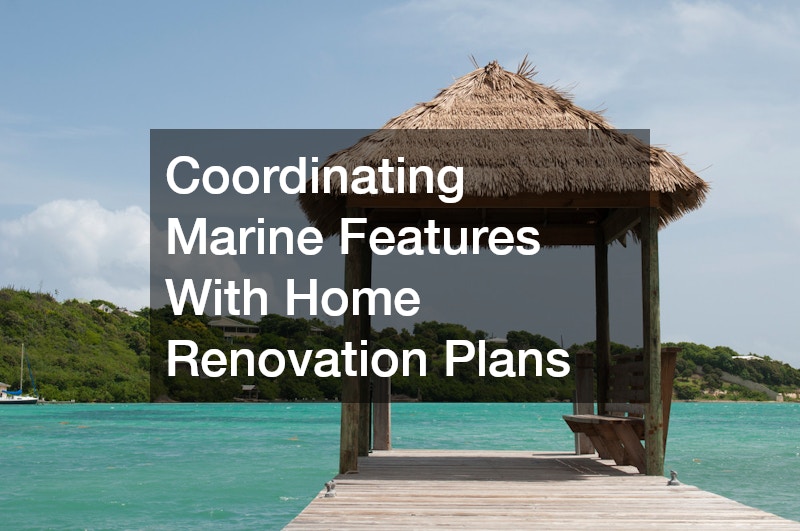
For homes with direct access to the water, marine infrastructure is not a secondary consideration but a core component of the overall renovation plan. Treating docks, lifts, and shoreline features as separate or future projects can lead to missed opportunities for integration, higher costs, and functional conflicts. When these elements are addressed from the outset, they can be designed to work seamlessly with the home’s layout, utilities, and long-term use patterns.
Dock upgrades, electrical systems, and boat lift services frequently rely on shared infrastructure such as power supply, structural supports, and access points. Without coordination, homeowners may encounter situations where newly finished areas must be disturbed to run conduit, upgrade panels, or reinforce structural elements. Early planning allows these systems to be designed holistically, reducing rework and improving overall efficiency.
Several technical considerations are especially important during this coordination phase:
- Electrical load requirements for marine equipment must be evaluated to ensure the main service and panels can safely support lifts, lighting, and shoreline systems.
- Structural connections between docks and shorelines should account for tidal movement, wave action, and long-term exposure to moisture and corrosion.
- Alignment between dock height and finished floor elevations improves usability and safety, particularly during changing water levels or storm conditions.
Permitting adds another layer of complexity. Marine features often fall under the jurisdiction of multiple agencies, including environmental and coastal management authorities. Approval timelines can be lengthy and may involve site reviews, environmental impact assessments, and public notice periods. Coordinating these approvals alongside home renovation permits helps avoid idle construction periods and reduces the likelihood of failed inspections or last-minute design changes.
When marine features are fully integrated into the renovation strategy, the result is a property that functions as a cohesive whole. Thoughtful coordination enhances usability, protects structural investments, and strengthens the connection between the home and its waterfront environment.
Improving Comfort and Energy Efficiency Through Smart Design
Coastal homes are exposed to intense sunlight and prolonged heat for much of the year, which can make interior spaces uncomfortable and drive up energy costs if not properly managed. Glare from reflective surfaces and UV exposure can also degrade finishes and furnishings over time. Thoughtful design choices that address these challenges holistically allow homeowners to maintain comfortable indoor environments while reducing reliance on mechanical cooling systems.
Effective sun protection works best when multiple strategies are layered together rather than applied in isolation. Architectural elements such as overhangs and awnings should be sized and positioned based on the sun’s seasonal path, blocking high summer sun while allowing lower winter light to enter. High-performance glazing with UV filters further reduces heat gain and glare without sacrificing natural light, while exterior shading devices can be designed to frame views rather than obstruct them.
Landscaping can also play a role in moderating heat. Strategically placed trees and plantings provide natural shading and cooling, particularly when positioned to block late-afternoon sun. When combined with built elements, these features contribute to a more balanced and efficient thermal environment.
Additional energy efficiency measures strengthen these efforts and support long-term performance:
- Ventilated roof systems help release trapped heat before it transfers into living spaces, reducing interior temperatures.
- Light-reflective exterior finishes minimize heat absorption, lowering the cooling demand on the home.
- Strategic window placement for cross-ventilation encourages natural airflow, improving comfort during milder weather and reducing air conditioning use.
Together, these strategies reduce cooling loads, enhance indoor comfort, and protect interior finishes from fading and heat damage. By integrating them into the overall design rather than treating them as afterthoughts, homeowners can achieve a more resilient and energy-efficient coastal living environment.
Managing Temporary Relocation and Construction Logistics
Managing relocation and logistics during a major renovation requires coordination, timing, and clear decision-making. When construction affects essential systems or large portions of the home, remaining on-site can slow progress and increase the risk of damage to personal belongings. Planning the move early allows homeowners to align relocation with construction milestones instead of reacting once work is already underway.
Working with a professional moving company provides structure to what can otherwise become a chaotic process. Experienced movers can help stage packing and storage in phases, ensuring items are removed only when necessary and returned once areas are fully complete. This approach limits repeated handling, reduces wear on furniture and finishes, and prevents clutter from interfering with construction work.
Effective relocation planning typically includes:
- Removing valuables, documents, and sentimental items before demolition begins
- Using climate-controlled storage to protect furniture, electronics, artwork, and textiles from heat and humidity
- Packing by room or project phase to simplify unpacking and reinstallation
- Labeling boxes clearly to avoid confusion during return delivery
- Establishing clear access schedules so contractors can work efficiently without obstacles
Clear, ongoing communication between homeowners, contractors, and relocation services is essential. When timelines shift—as they often do during renovations—advance notice helps all parties adjust without creating delays or conflicts. Thoughtful logistics planning protects belongings, supports efficient construction, and reduces stress throughout the renovation process.
A successful coastal renovation is built on preparation, coordination, and respect for environmental realities. Each decision—from structural upgrades to material selection and logistics—has long-term implications for durability, comfort, and cost.
By approaching the project methodically and engaging professionals with coastal experience, homeowners can create spaces that perform as beautifully as they look. Waterfront living offers unique rewards, and with careful planning, a full renovation can enhance both lifestyle and long-term value.