
Executing a comprehensive luxury residential overhaul is one of the most exciting yet complex endeavors a homeowner can undertake. Blending timeless interior aesthetics with modern architectural functionality requires more than just an eye for design; it demands rigorous project management, clear trade sequencing, and uncompromising standards of craftsmanship. When transforming a high-end property, every detail—from hidden structural wiring and subsurface environmental health to the final placement of curated artwork—contributes to the overall comfort, safety, and long-term value of the residence.
Managing a major renovation means navigating competing trade schedules, resolving unexpected site conditions, and protecting high-value materials throughout the build process. Without a structured plan, even well-funded projects can suffer from frustrating delays, costly rework, or compromised finishes. By following a clear, sequential management framework that prioritizes environmental health, structural infrastructure, fine surface finishes, and white-glove staging, you can guide your interior transformation to a flawless, stress-free completion.
Conduct Environmental Testing and Remediate Hidden Hazardous Materials

Before tearing down walls, reconfiguring room layouts, or specifying luxury finishes, establishing a clean, safe environmental baseline is essential. Historic homes and older luxury estates often harbor hidden environmental liabilities behind aging millwork, vintage plaster, and subfloor assemblies. These hidden issues must be systematically identified and remediated before any cosmetic building work begins, ensuring the home is healthy from the inside out.
Eradicating Moisture Intrusion and Fungal Growth
Undetected water leaks behind tile walls, unsealed basements, or compromised exterior cladding create ideal conditions for organic decay over time. Inspecting subfloors and wall cavities during initial exploratory teardowns reveals hidden moisture issues before they can ruin expensive new construction. Contracting certified remediation specialists to eradicate toxic mold colonies guarantees that interior air quality remains pristine and structural framing stays sound.
Safely Containing Vintage Paint Hazards
Properties built prior to modern environmental regulations frequently feature layers of historic lead-based paint beneath contemporary wall coatings. Sanding or dry-scraping these surfaces during demolition without strict containment protocols releases microscopic toxic dust across the entire home, contaminating HVAC ductwork and living areas.
- Testing Surface Layers: Conduct professional chemical testing on vintage window sashes, doors, baseboards, and decorative plaster molding before disturbing any historic materials.
- Hiring Certified Specialists: Engage an accredited lead removal service to install negative-air containment zones, seal off vents, and safely strip contaminated materials using specialized equipment.
- Cleaning and Disposal: Ensure all job site debris is double-bagged in heavy-duty containment bags, sealed, and disposed of according to strict municipal environmental standards.
Establishing this clean environmental foundation does more than satisfy safety mandates; it safeguards the massive financial investment you are making in subsequent trade phases. When framing, insulation, and high-end millwork are installed over verified, non-hazardous surfaces, you prevent the nightmare of having to tear down finished custom cabinetry or marble tile later to address a pre-existing moisture or toxicity issue. A rigorous early environmental audit grants total peace of mind for the duration of the build.
Purge Outdated Fixtures and Secure Temporary Access Control
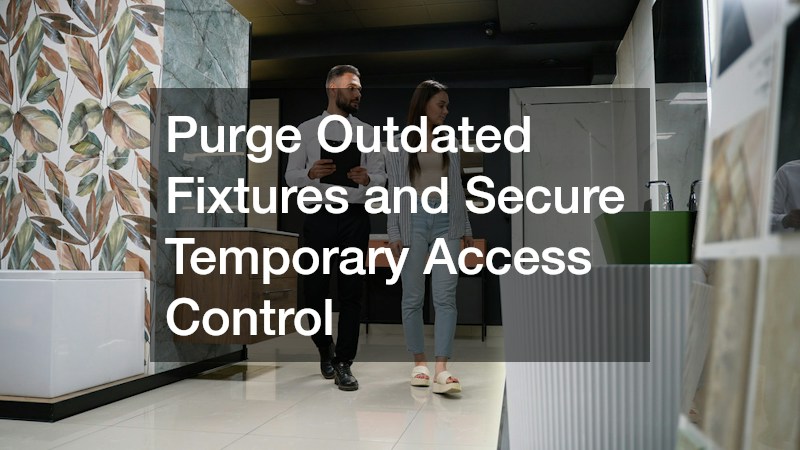
Once environmental hazards are safely mitigated, active demolition and site preparation begin in earnest. Maintaining a clean, organized, and secure job site is vital for protecting both the construction crew and the structural integrity of the home. Proper demolition management prevents accidental damage to retained architectural elements and establishes clear workflows for incoming trades.
Clearing Demolition Debris and Obsolete Features
Stripping away worn plaster, dated cabinetry, non-load-bearing partitions, and obsolete plumbing fixtures generates massive quantities of heavy refuse. Allowing construction debris to accumulate inside living zones creates severe safety hazards, blocks emergency pathways, and slows down incoming trade professionals who need clear access to subfloors and wall studs.
Partnering with a reliable junk removal service ensures that demolition waste, heavy cast-iron tubs, old cabinetry, and scrap lumber are hauled away immediately. Keeping staging areas clean, organized, and free of waste dramatically reduces on-site accidents and maintains steady momentum across the entire demolition phase.
Implementing High-Security Access Protocols
During major construction, numerous trade crews, delivery drivers, sub-contractors, and specialty artisans will need daily access to your property. Ensuring the site remains secure during work hours and completely locked down after hours prevents the theft of expensive trade tools, copper wiring, high-end fixtures, and raw building materials.
- Upgrading Job Site Entry Hardware: Replace compromised legacy entry hardware or call an emergency locksmith to rekey all exterior access points promptly prior to material deliveries.
- Installing Temporary Digital Locks: Program temporary digital keypads to assign unique, trackable entry codes to different contractor teams, revoking access once their phase is complete.
- Securing Perimeter Zones: Install heavy dust barriers, zip-wall systems, and temporary locksets on interior doors leading to non-renovated wings of the residence.
Active perimeter security and debris control also set a professional tone for every contractor stepping onto the property. A tidy, well-secured job site signals that high standards are expected across all disciplines, encouraging tradespeople to treat the residence with respect. Furthermore, maintaining strict access records reduces general contractor liability and keeps the overall project schedule tightly aligned with vendor delivery windows.
Modernize Architectural Power Lines and Install Custom Hardwood Surfaces
With site clearance complete and the structure fully secured, focus shifts to core interior infrastructure. Roughing in electrical systems, plumbing lines, and laying premium subfloors set the foundational stage for all downstream finishing work, ensuring the home operates smoothly for decades to come.
Upgrading Power Capacity and Architectural Lighting
Modern luxury homes demand sophisticated power distribution to support automated shade systems, high-output LED accent lighting, radiant floor heating, and integrated media servers. Legacy wiring, ungrounded circuits, and under-powered electrical panels must be completely modernized during the open-wall phase.
Hiring a master local electrician ensures that new sub-panels are installed safely, dedicated circuits are run for high-draw appliances, and low-voltage wiring is hidden behind walls to support smart home automation. Proper electrical planning ensures that light switches and control panels are placed intuitively throughout the floor plan.
Sourcing and Installing Fine Hardwood Flooring
Flooring establishes the physical and visual foundation for a home’s entire interior aesthetic. Precision installation requires proper subfloor leveling, moisture testing, and structural reinforcement before high-end wood planks or stone tiles are laid.
- Subfloor Preparation: Level concrete slabs or wood subfloors using self-leveling underlayments to prevent squeaks, dips, and uneven transitions between rooms.
- Selecting Premium Materials: Work alongside a top-tier flooring company to source wide-plank European oak, walnut, or custom stone tile that aligns with your design vision.
- Acclimation and Finishing: Allow natural wood planks to acclimate inside the climate-controlled residence for several days prior to installation to prevent warping, cupping, or gapping over time.
Investments made during this infrastructure phase are what elevate a standard renovation into a true high-end transformation. Concealing complex low-voltage conduits, audio-visual lines, and automated HVAC controls inside newly framed walls preserves the clean, minimalist lines of modern luxury architecture. When hardscape surfaces are engineered over perfectly flat subfloors, every subsequent installation—from floor-to-ceiling glass partitions to custom millwork—fits together with seamless accuracy.
Apply High-Grade Paint Finishes and Coordinate General Project Timelines

As structural infrastructure work concludes and drywall is hung and taped, applying fine wall coatings brings your design vision into sharp focus. Managing the sequencing between painting contractors and general construction trades prevents costly touch-ups, scuffs, and finish damage during the final stretch of construction.
Executing Flawless Wall and Trim Coatings
Smooth, Level-5 drywall finishes require expert surface preparation, high-grade primers, and precise application techniques to achieve a rich, durable finish that bounces natural light evenly across rooms. Skimping on surface preparation reveals minor imperfections under modern architectural lighting.
Contracting a reputable local painting service guarantees that low-VOC, museum-grade paints are applied with surgical precision across walls, crown molding, door frames, and trim. Professional painters utilize professional spray systems and hand-sanded coats to create a flawless, durable backdrop for your furniture and artwork.
Orchestrating General Trade Sequencing
A comprehensive home renovation involves managing overlapping timelines for tile setters, finish carpenters, electricians, plumbers, and audio-visual technicians.
Proper project scheduling prevents trades from working over one another or damaging finished surfaces. Sourcing comprehensive home building services provides master-level oversight to ensure that messy tile grinding, plumbing hookups, and sheetrock patching are fully completed before final paint coats are sprayed, keeping your investment protected throughout construction.
Mastering trade sequencing at this critical juncture protects sensitive surface finishes from the dust and physical impact of heavy installation work. By establishing strict “clean zones” after prime coats are applied, you prevent finish carpenters and plumbers from accidentally damaging pristine walls. This meticulous coordination keeps the project moving smoothly toward punch-list completion without requiring expensive late-stage repainting.
Coordinate White-Glove Deliveries and Outfit Primary Bedroom Suites

The final phase of a high-end interior transformation involves staging curated furniture, laying decorative textiles, hanging window treatments, and outfitting private bedroom retreats for immediate living comfort.
White-Glove Furniture Transport and Assembly
High-end upholstered sofas, custom dining tables, delicate glass light fixtures, and custom case goods require delicate handling during transit and installation. Standard freight shipping often results in damaged goods, left-at-curb logistics, or scratched floor surfaces inside a freshly painted home.
Partnering with a specialized furniture delivery service guarantees that your bespoke pieces are transported in climate-controlled vehicles, unpacked by trained professionals, assembled on-site, and positioned in your home without scuffing fresh paint or newly finished hardwoods.
Outfitting the Primary Bedroom Suite
Your primary suite should serve as a quiet, restorative sanctuary designed for optimal rest, wellness, and quiet relaxation after the dust of renovation settles.
- Selecting Ergonomic Bedding: Anchor your bedroom layout with a supportive, pressure-relieving mattress that promotes deep, restorative sleep.
- Layering Ambient Illumination: Install bedside sconces with warm, dimmable controls so you can adjust light levels for late-night reading or gentle morning wake-ups.
- Styling Textiles and Accents: Layer plush wool area rugs, custom blackout drapery, and accent pillows to dampen sound acoustics and create a cozy, luxurious retreat.
Thoughtful staging converts a newly constructed shell into a warm, deeply personal home. Taking the time to curate tactile elements—such as acoustic-dampening window treatments, ergonomic mattresses, and warm accent lighting—ensures that the functional performance of the suite matches its visual grandeur. Once white-glove technicians place the final piece of custom furniture and clear away all packaging, your home stands completely ready for immediate, comfortable living.
Transforming a luxury residence into a bright, functional, and beautifully tailored home is a deeply satisfying creative process. By systematically addressing environmental health, updating core electrical infrastructure, installing premium floor and wall finishes, and relying on white-glove delivery specialists, you eliminate construction friction and ensure flawless execution at every step.
This rigorous, phased management methodology yields benefits that extend far beyond immediate aesthetic satisfaction. By methodically resolving subsurface structural liabilities, optimizing environmental safety, and installing high-performance building systems, you fortify the home against premature wear, structural decay, and shifting architectural trends. The result is a living space that functions with modern efficiency—where concealed smart automation, pristine indoor air quality, and intuitive power distribution operate seamlessly behind flawless Level-5 plaster and custom millwork. You effectively eliminate the hidden friction points that disrupt daily routines, creating an environment where comfort and convenience feel completely effortless.
Furthermore, orchestrating a renovation with this degree of precision serves as an exceptional strategy for long-term wealth preservation. In high-end real estate markets, discerning buyers place an extraordinary premium on properties that offer both architectural distinction and immaculate construction provenance. Documented environmental clearances, updated electrical infrastructure, and custom-installed hardwoods stand as tangible proof of superior maintenance and quality. By insulating your property against future capital expenditure needs and aligning its layout with contemporary luxury standards, you protect your real estate equity and maximize your home’s resale appeal.
Ultimately, an executed interior transformation elevates a physical property into a deeply restorative personal retreat. Beyond square footage and material luxury, the true measure of a successful build lies in how naturally the space supports your daily life—providing an inspiring backdrop for morning routines, an effortless setting for social entertaining, and a quiet sanctuary for evening rest.
A successful interior renovation relies on combining an inspiring design vision with disciplined trade coordination. When every detail is managed with care and precision, your home becomes a true sanctuary—a sophisticated living space that reflects your personal lifestyle, supports daily relaxation, and delivers enduring quality and value for decades to come.