Building a custom home is one of the largest projects a homeowner can take on, so the process needs more structure than a general wish list. Every choice affects another choice, from the lot and floor plan to utilities, windows, roofing, finishes, and outdoor living areas. A step-by-step approach helps keep the project organized and reduces the chance that early decisions create expensive changes later. Custom construction also works best when homeowners understand which decisions are urgent and which can wait until the right phase.
The process usually begins with goals, budget, location, and the team that will guide the work. Experienced construction companies can help translate a broad vision into a realistic plan that accounts for design, permitting, scheduling, materials, site conditions, and trade coordination. Homeowners should be ready to discuss how they live each day, not only what they want the finished home to look like. The more specific the early planning is, the easier it becomes to build a home that supports real routines.
Define The Vision And Budget
Before drawings are finalized, homeowners should decide what the home must accomplish. Square footage, room count, storage, natural light, accessibility, garage space, outdoor access, and future flexibility all belong in the early conversation. A custom home can quickly become more expensive when priorities are unclear or when every feature is treated as equally important. A clear budget should include construction, design, permits, site preparation, utility connections, landscaping, contingency money, and post-move needs.
This is also the time to identify non-negotiables and nice-to-have features. Some families may prioritize a large kitchen, while others care more about a first-floor bedroom, a dedicated office, or outdoor entertaining space. Making those distinctions early helps the design team protect the most important features when costs need to be adjusted. A strong budget is not only a spending limit; it is a decision-making tool for the entire project.
Choose A Build Team Carefully
Selecting the right builder affects communication, quality, scheduling, and the overall construction experience. Homeowners comparing construction companies should look beyond photos and ask about project management, subcontractor coordination, communication style, warranties, timelines, and how changes are handled. A custom build involves many moving parts, so organization matters as much as craftsmanship. The right team should be able to explain the process clearly before work begins.
References, past projects, licensing, insurance, and contract details deserve careful review. Homeowners should also ask how budgets are updated, how allowances work, and how delays are communicated. A vague contract can create confusion later when selections, site conditions, or material pricing change. Clear expectations help everyone understand what is included, what could increase the cost, and how decisions will be documented.
Prepare The Land Before Design Details
The lot influences the home more than many homeowners expect. Slope, drainage, soil condition, tree placement, driveway access, sun exposure, utility availability, and local requirements can all affect the design. A beautiful plan may need to change if the land does not support it well. Site planning should happen early so the home fits the property rather than fighting against it.
A tree service may be needed before construction when dead limbs, unstable trees, crowded growth, or access problems interfere with safe site work. Tree decisions should account for the future home, driveway, equipment access, utility lines, and outdoor living areas. Some trees may be worth preserving for shade or privacy, while others may create risk or limit construction access. Evaluating them early helps avoid rushed decisions once crews and machinery arrive.
Coordinate Foundation And Exterior Structure
The foundation sets the standard for the rest of the build. Excavation, grading, drainage, footings, waterproofing, and structural requirements should all be reviewed carefully because errors at this stage can affect the entire home. Homeowners should ask how water will move around the property and how the foundation will be protected over time. Early attention to drainage can reduce problems in basements, crawl spaces, walkways, and landscaping later.
Exterior structure decisions should also include roof design, pitch, materials, ventilation, and drainage. Planning with roofing contractors can become important as the plans move from framing concepts to weather protection details. Rooflines affect curb appeal, attic performance, water movement, gutter design, and long-term maintenance. A roof that is attractive but overly complicated can add cost and create more places where future problems may develop.
Plan Windows, Light, And Efficiency
Windows influence appearance, comfort, energy use, room layout, and the way the home connects to the outdoors. Decisions about size, placement, operation, frame material, glass type, and view orientation should happen while the design can still adapt. Natural light can make rooms feel larger and more comfortable, but too much direct sun can create heat gain or glare. The goal is to balance beauty, comfort, and performance.
Understanding window manufacturing can help homeowners ask better questions about lead times, product options, warranties, and performance ratings. Custom sizes, specialty shapes, and upgraded glass can affect both cost and schedule. If windows are delayed, other phases may also be delayed, so selections should not be treated as last-minute finish choices. Good window planning supports comfort and helps keep the construction timeline more predictable.
Design Plumbing Around Daily Routines
Plumbing layout affects bathrooms, kitchens, laundry rooms, outdoor spigots, mechanical spaces, and future maintenance access. A residential plumber can help identify practical routing, fixture placement, water pressure needs, drain considerations, and access points before walls are closed. Homeowners should think about where people shower, cook, wash clothes, clean outdoor equipment, and use utility sinks. A thoughtful plumbing plan can prevent daily inconvenience after move-in.
Material planning is part of the same conversation. A plumbing supply store can be useful when homeowners need to compare fixture styles, finishes, valves, sinks, tubs, faucets, and practical options that match the budget. Selection should not focus only on appearance because durability, availability, compatibility, and replacement parts matter too. Choosing reliable products early can reduce substitutions and delays during installation.
Build Comfort Into The Mechanical Plan
Heating and cooling choices should be based on the home’s size, insulation, windows, layout, orientation, and how rooms will be used. Equipment that is too large or too small can create comfort problems, even in a newly built home. Zoning, duct placement, ventilation, filtration, and thermostat locations should be discussed before framing and drywall limit the options. Comfort is much easier to build in than correct after the home is finished.
Future service needs also belong in the planning phase. Homeowners should know how to access filters, equipment, vents, drains, and mechanical rooms without moving stored items or disrupting finished spaces. Planning for local furnace repairs may not sound exciting during new construction, but future access can save time and frustration years later. A mechanical system should be designed for performance and maintenance, not hidden so completely that service becomes difficult.
Select Appliances And Utilities Early
Appliance selections can affect cabinet dimensions, electrical requirements, ventilation, plumbing connections, and layout. Refrigerators, ranges, dishwashers, washers, dryers, wall ovens, and specialty appliances should be chosen before the related spaces are finalized. Changing appliance sizes late in the process can affect cabinetry, counters, wiring, and delivery timing. Early selections keep the kitchen, laundry room, and utility areas more coordinated.
A plan for appliance repair should also influence access and placement. Built-in appliances may look clean and finished, but they still need room for ventilation, service, and eventual replacement. Homeowners should ask how technicians would reach connections or remove an appliance if needed. Thinking about maintenance during design can prevent a beautiful room from becoming difficult to service.
Create Outdoor Areas With The Home
Outdoor spaces should be designed with the house rather than treated as leftover areas after construction. Patios, walkways, retaining walls, driveways, steps, and gathering areas all affect how people enter, entertain, and move around the property. Experienced hardscaping contractors can help shape these areas around grade changes, drainage, traffic flow, furniture placement, and the home’s architecture. Outdoor structure should support daily life as clearly as indoor rooms do.
Planting plans should follow the same practical mindset. Qualified local landscaping contractors can help choose layouts, soil improvements, plant groupings, lawn areas, and seasonal interest that match the property and maintenance expectations. The best landscape plan supports shade, privacy, curb appeal, drainage, and outdoor use without overwhelming homeowners with upkeep. Coordinating landscaping with construction access also helps protect new plantings from avoidable damage.
Review Interior Finishes And Storage
Interior finishes are where the home begins to feel personal, but they should still be chosen with daily use in mind. The window manufacturing choices made earlier can also affect trim depth, sill details, interior light, and how finished rooms feel. Flooring, tile, paint, trim, hardware, lighting, cabinetry, counters, and built-ins all need to support the household’s habits. A finish that looks impressive in a sample may not be ideal for pets, children, heavy cooking, muddy entryways, or frequent guests. Practical selection keeps the home attractive without making it fragile.
Storage planning should be detailed before framing and cabinetry are complete. Closets, pantries, linen storage, mudroom zones, garage shelving, and utility storage all affect how well the home functions after move-in. Homeowners should think about sports gear, cleaning supplies, seasonal decor, tools, luggage, and bulk purchases. A custom home should solve storage problems instead of carrying them into a new space.
Sequence Inspections And Final Checks
As construction moves toward completion, inspections and walkthroughs become especially important. The schedule should include roofing contractors for final review of flashing, ventilation, penetrations, drainage points, and weatherproofing details. Small exterior details can affect long-term performance, so they should not be rushed just because the interior is nearly finished. Final checks help confirm that hidden protection systems were completed with the same care as visible finishes.
Mechanical and plumbing reviews should also be part of the final phase. A residential plumber can test fixtures, drains, shutoffs, water heater connections, hose bibs, and visible supply lines before the home is handed over. This is also a good time to ask where main shutoffs are located and how key systems should be maintained. A careful handoff helps homeowners feel more confident when they begin living in the space.
Prepare For Move-In And Maintenance
Move-in planning should include manuals, warranties, service contacts, paint colors, product information, and system instructions. A plumbing supply store receipt, appliance documents, window records, and fixture details can all become useful later when maintenance or replacement parts are needed. Organizing this information from the start saves time when questions come up years after construction. A new home is easier to care for when the details are easy to find.
Maintenance planning should also include seasonal exterior care. Qualified local landscaping contractors may help homeowners decide how to establish new plantings, adjust watering, maintain beds, and protect outdoor areas during the first year. Fresh landscapes often need more attention while roots establish and soil settles. Early care can help the exterior mature into the design that was intended.
Think Ahead To Future Repairs
Even a well-built custom home will eventually need service, repairs, and updates. Planning for local furnace repairs, roof maintenance, plumbing service, appliance access, and exterior upkeep helps homeowners avoid frustration later. The goal is not to expect problems immediately. The goal is to make sure the home remains practical to maintain as it ages.
A tree service may also become part of long-term care if preserved trees grow toward the roof, shade new plantings, drop limbs near outdoor spaces, or affect drainage. A property continues changing after construction ends, so the maintenance plan should include the living parts of the site. Trees, lawns, hardscapes, and drainage areas all need periodic attention. A custom home stays stronger when the surrounding property is cared for as thoughtfully as the structure.
Finish With A Practical Handoff
Before the project closes, homeowners should complete a detailed walkthrough and create a written punch list. Experienced hardscaping contractors may need to confirm that walkways, patios, steps, walls, and drainage details are finished correctly and cleaned up properly. Exterior areas should be safe, usable, and ready for regular routines. Final exterior review prevents outdoor work from becoming an afterthought after the interior is complete.
The same final review should cover appliance repair access, cabinet clearances, attic access, crawl space access, filter locations, and utility shutoffs. A home can look complete while still making future service harder than necessary. Asking practical questions at the end helps homeowners understand the house they are about to live in. A smooth handoff turns construction from a project into a manageable home.
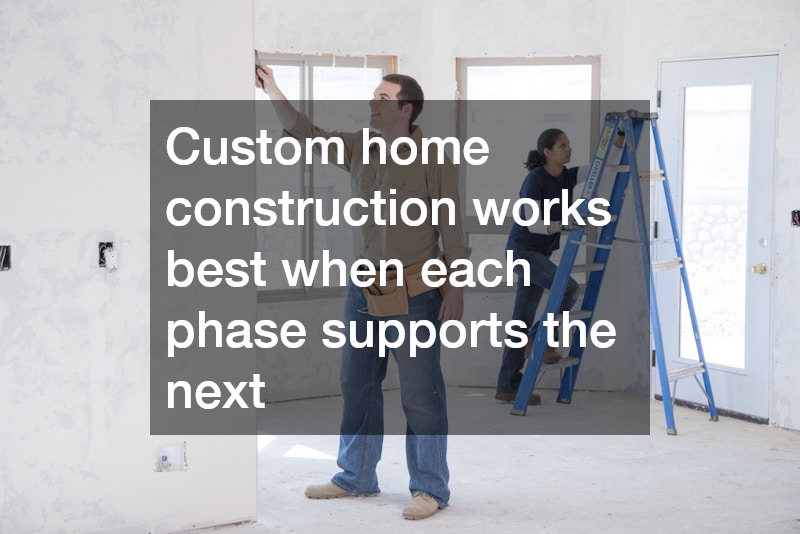
Custom home construction works best when each phase supports the next. Start with clear goals, choose the right team, study the site, coordinate systems early, and make finish selections with maintenance in mind. The process includes many decisions, but a structured plan keeps those decisions connected. When the home is designed for daily routines, future service, outdoor use, and long-term care, the finished result can feel personal, practical, and ready to support the way the household truly lives.